


How Does Your Website Represent Your Brand?
First impressions are everything.
A website isn't just a digital storefront for your brand—it is your brand itself. Visitors make a judgment about your brand the moment they see your logo, colors, fonts, or photos. This judgment happens in seconds and is usually unchangeable.
That's why website design isn't just a visual preference; it's the most powerful platform for expressing your brand identity.
Website: Your Brand's Digital Stage
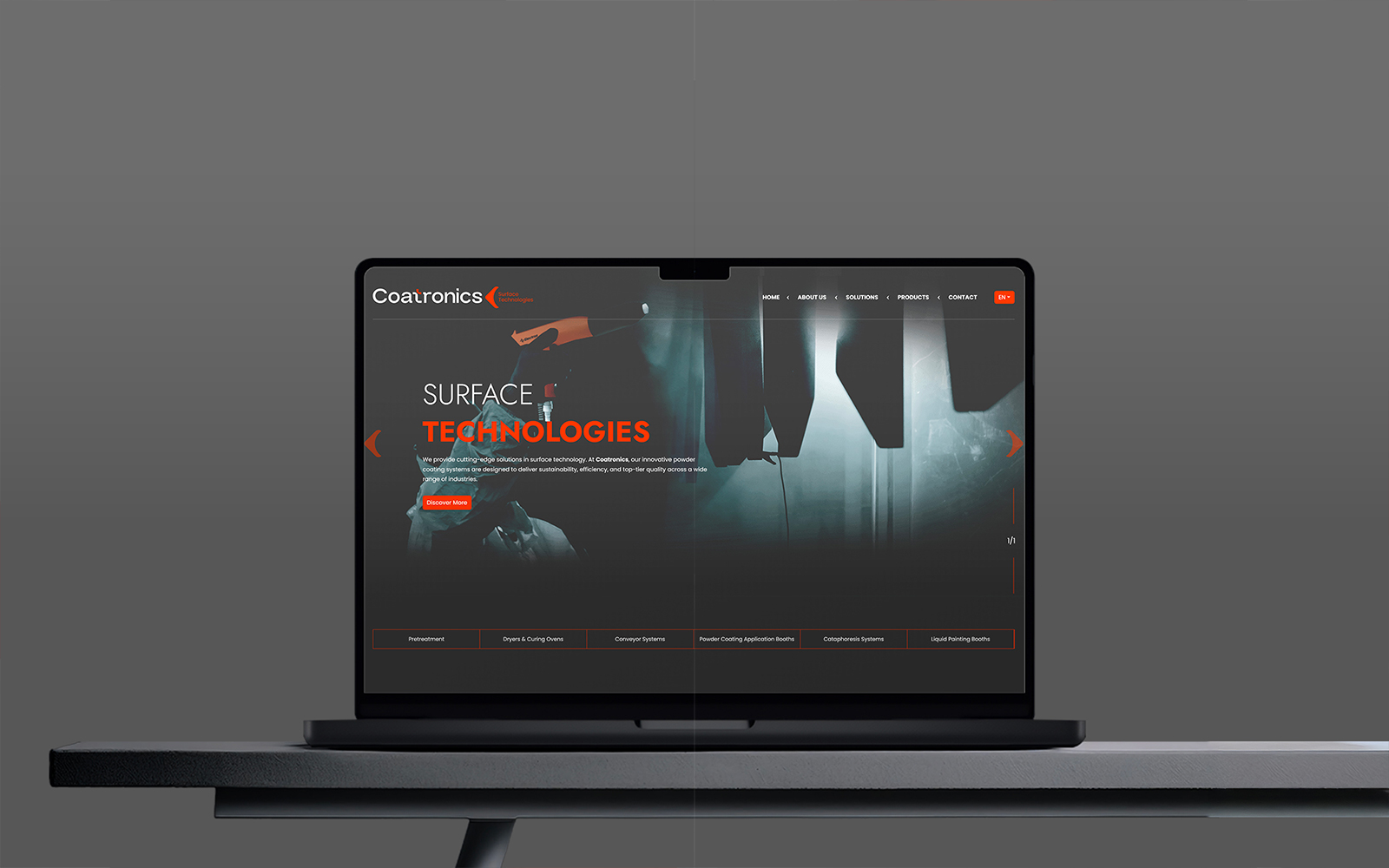
When a user visits your website, the first thing they encounter is the design language. This language silently answers the question, "Who are we?"
Is it minimalist, bold, simple, or innovative?
The color palette, typography, visual storytelling, and content language you use reflect your brand's personality. Therefore, a good corporate website should not only provide information but also convey the brand's character.
Beyond Design: Experience Design
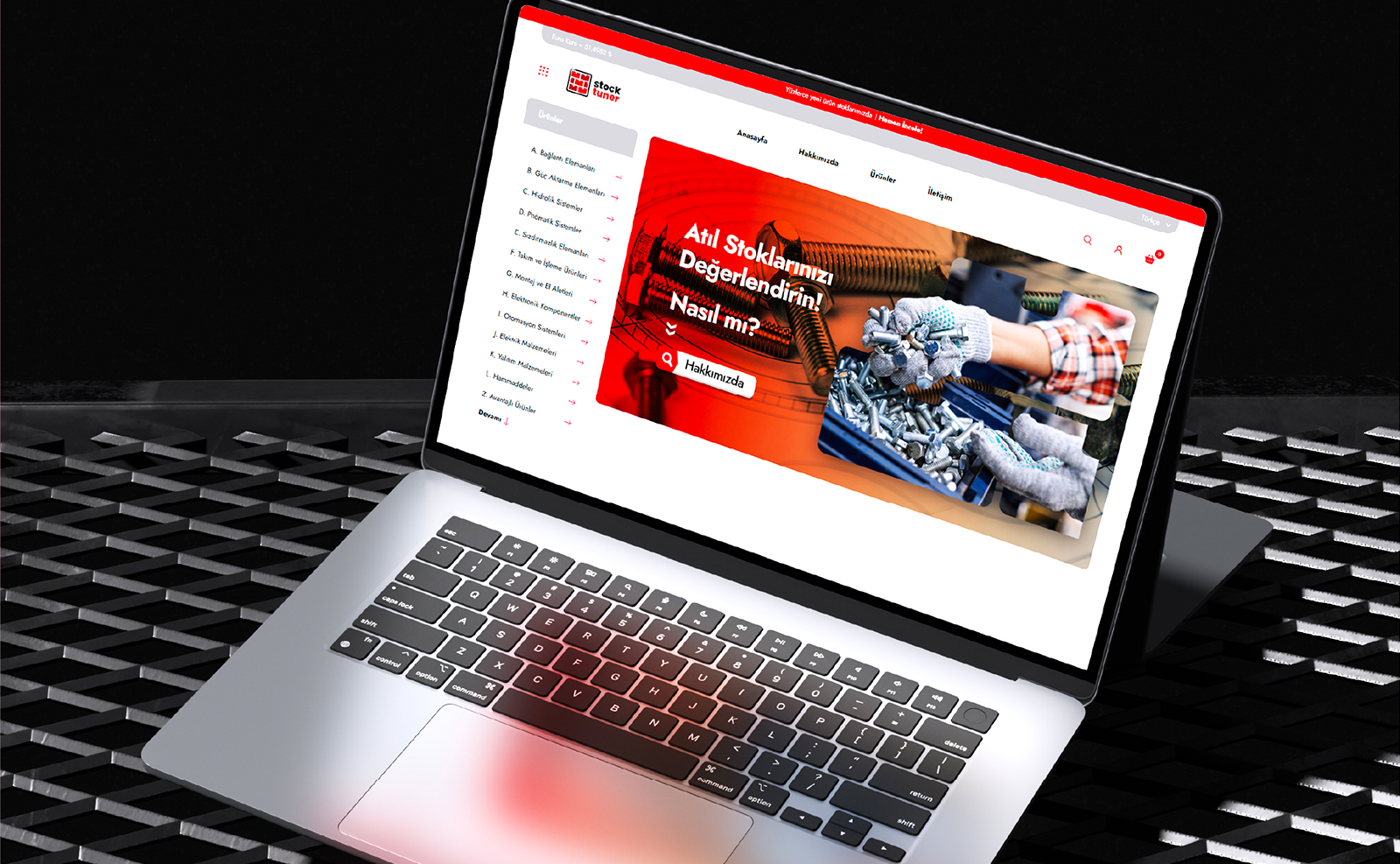
A website shouldn't just look good; it should offer a fluid, understandable, and trustworthy experience. Because users are now focused not just on information, but also on experience.
A complex menu, slow-loading pages, inconsistent language—all damage a brand's perception.
On the other hand, a simple, intuitive, and user-centric design engages the visitor and builds trust in the brand.
A good website makes the user think, "This brand knows what it's doing."
The Balance Between Website Design and Brand Identity
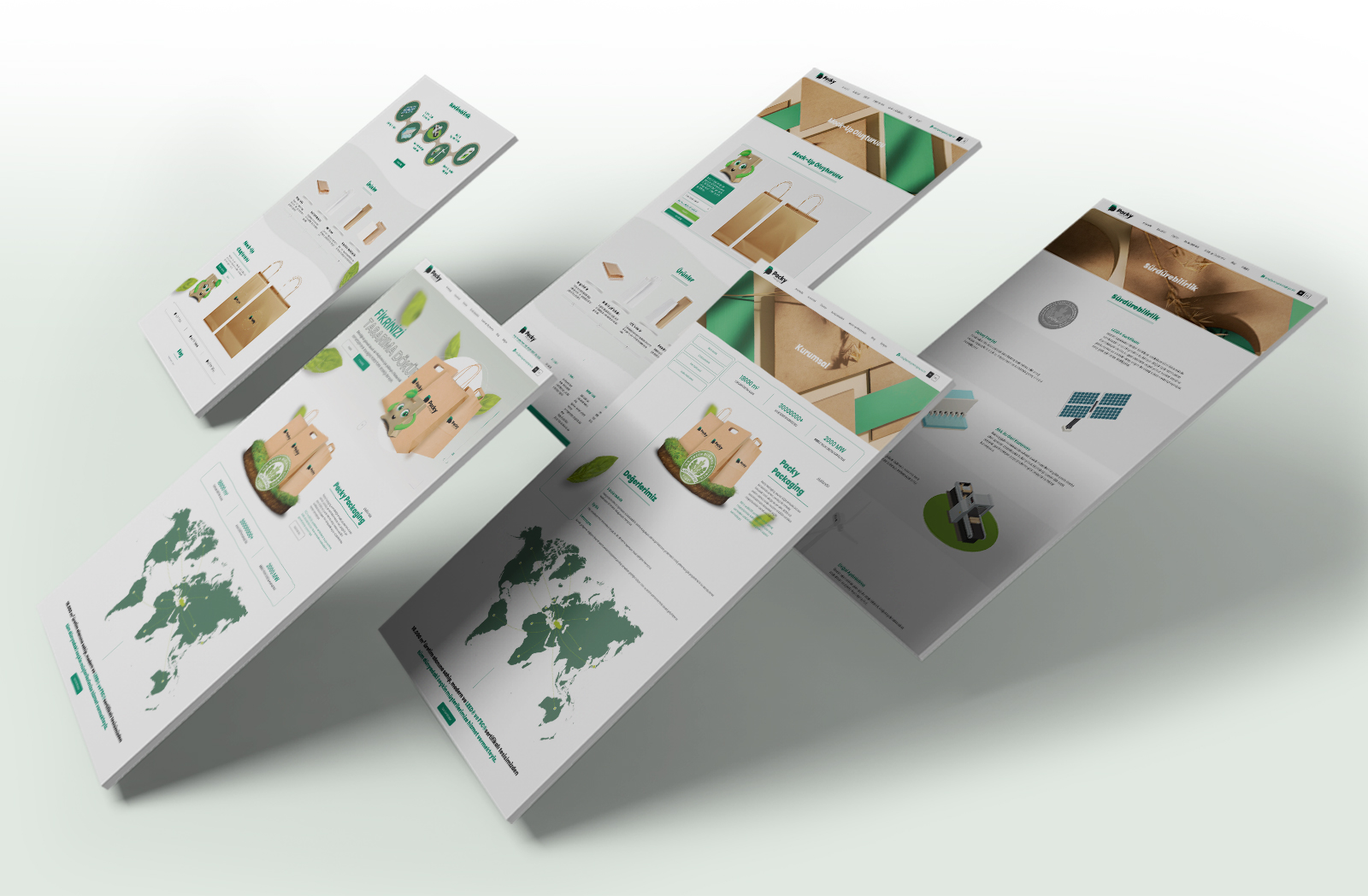
Your website is your brand's digital representative. Therefore, it must be fully consistent with your brand identity elements:
- Correct logo usage
- Color palette reflecting the brand's spirit
- Typography chosen to match the corporate identity
- Visual language supporting the brand's story
When this consistency is achieved, visitors immediately feel "yes, this is that brand" when they encounter your website. And this feeling—long before a purchase decision—builds a sense of trust.
 Telling the Story Through Visual Language
A website is a brand's storyteller.
With the right structure and design, users unconsciously feel the brand's values as they navigate through the pages.
Photographs, videos, micro-animations, fonts… all tell the story as a whole.
A well-designed website guides the user, but does so without making it obvious.
Sometimes a story can be told with a single sentence, sometimes with just a space. Design knows how to speak this language.
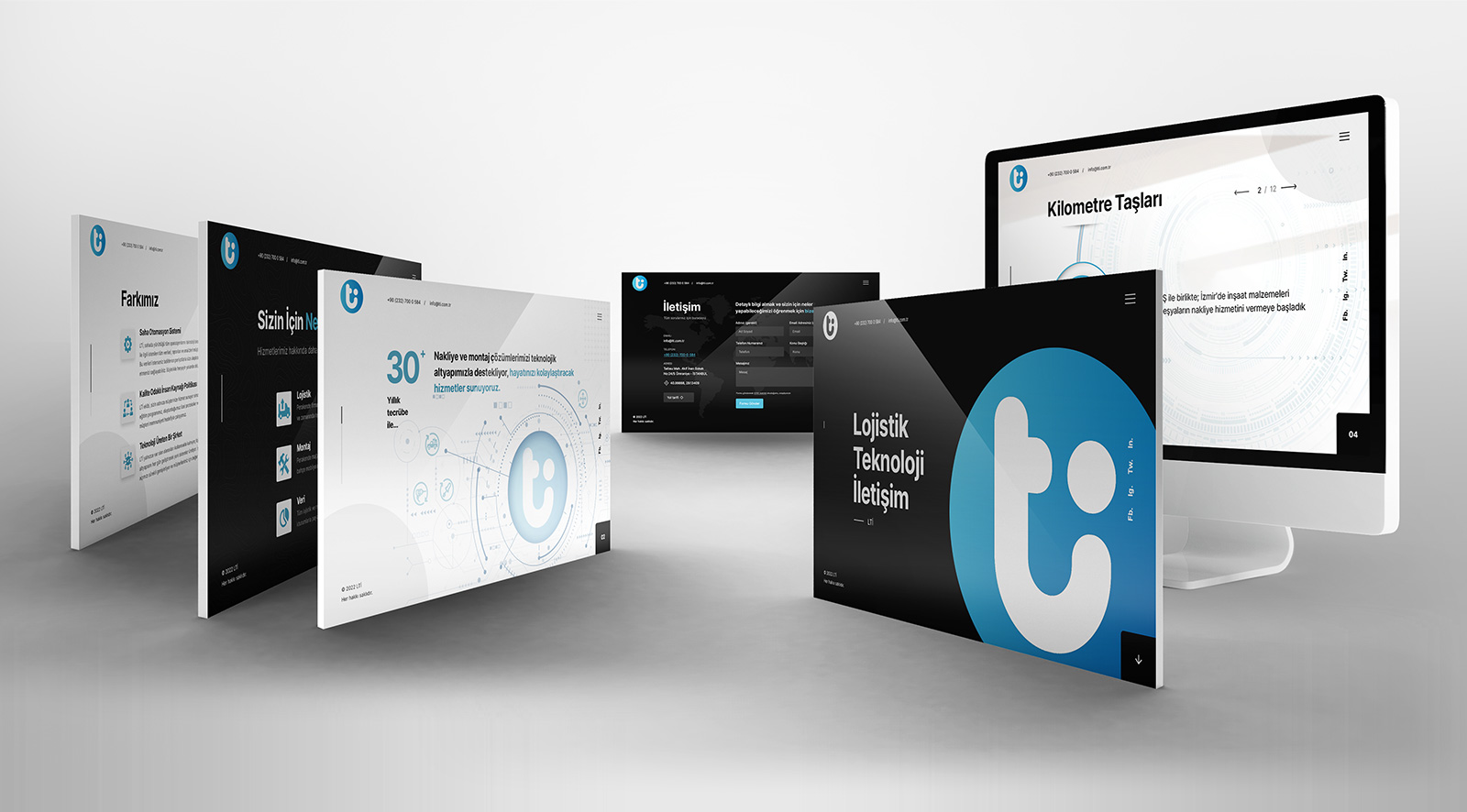
4 Essential Elements for a Powerful Website
Start with Strategy.
Website design is more of a strategy than an aesthetic endeavor.
Your target audience, brand language, content structure, and user scenarios must be planned correctly.
Establish a Consistent Visual System.
Colors, fonts, and images that convey the same feeling should be used across all pages.
This consistency makes your brand look professional.
Invest in Content.
Text is just as important as visuals.
Descriptive, simple, and SEO-friendly content satisfies both users and search engines.
Prioritize Mobile Experience.
70% of visitors access websites from mobile devices.
Therefore, design, speed, and navigation should be considered mobile-first.
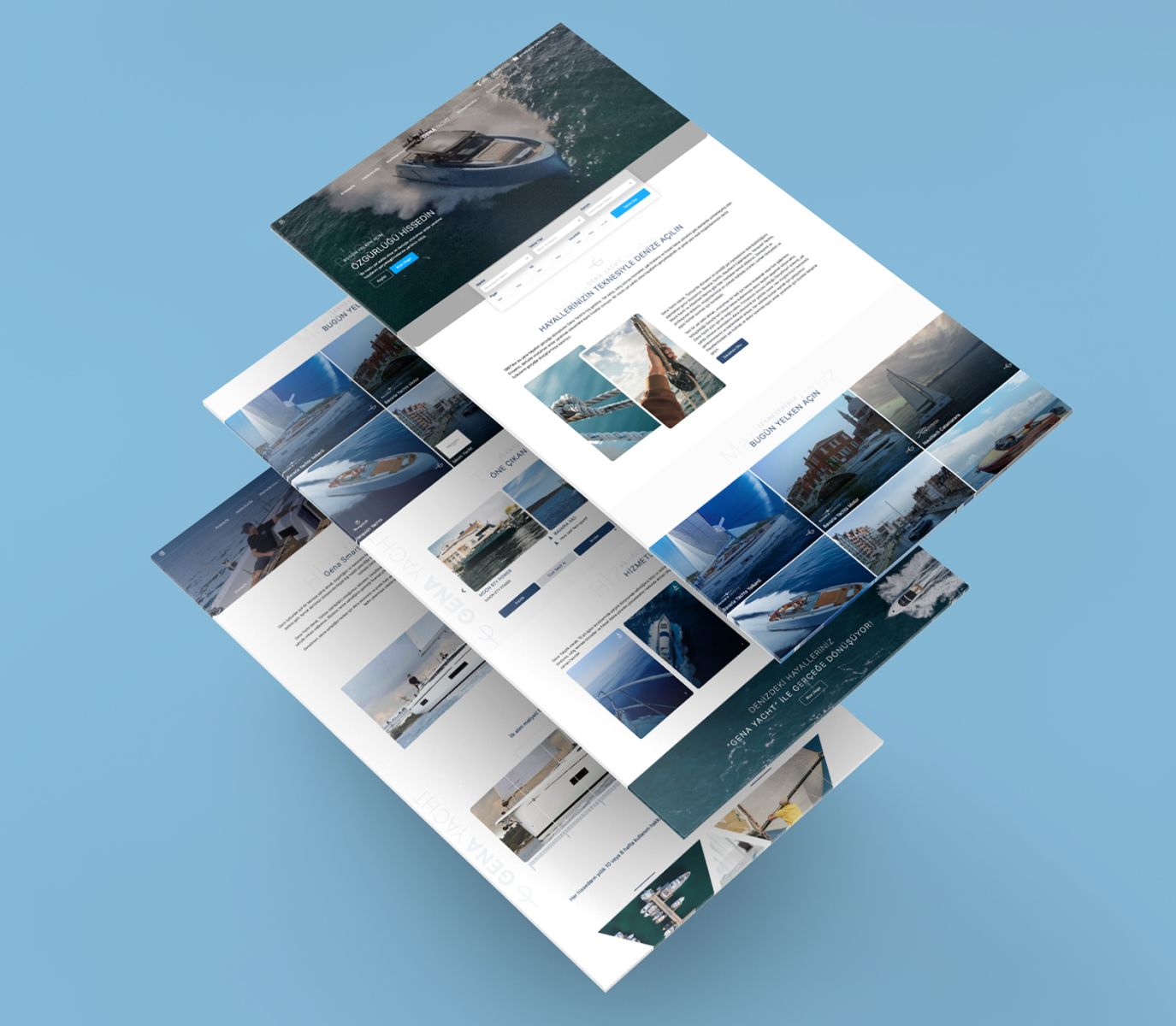
Let your website reflect your brand's image.
A website reflects not only your products or services, but also your brand's stance, values, and vision. Therefore, it's necessary to go beyond ready-made templates and create a design language unique to your brand.
At IKONA Creative, we help brands tell their stories consistently in the digital world.
For us, web design is not just a visual layout — it's the digital voice of your brand identity.
👉 Looking for a unique and impressive website design for your brand? Get in touch ›